Silicone Manufacturing Process

Silicone Overmolding & Multi-Material Bonding

Seamlessly bonding premium silicone with plastics, metals, and electronics. Engineered for robust adhesion, ergonomic grips, and IP68 waterproofing without compromise.

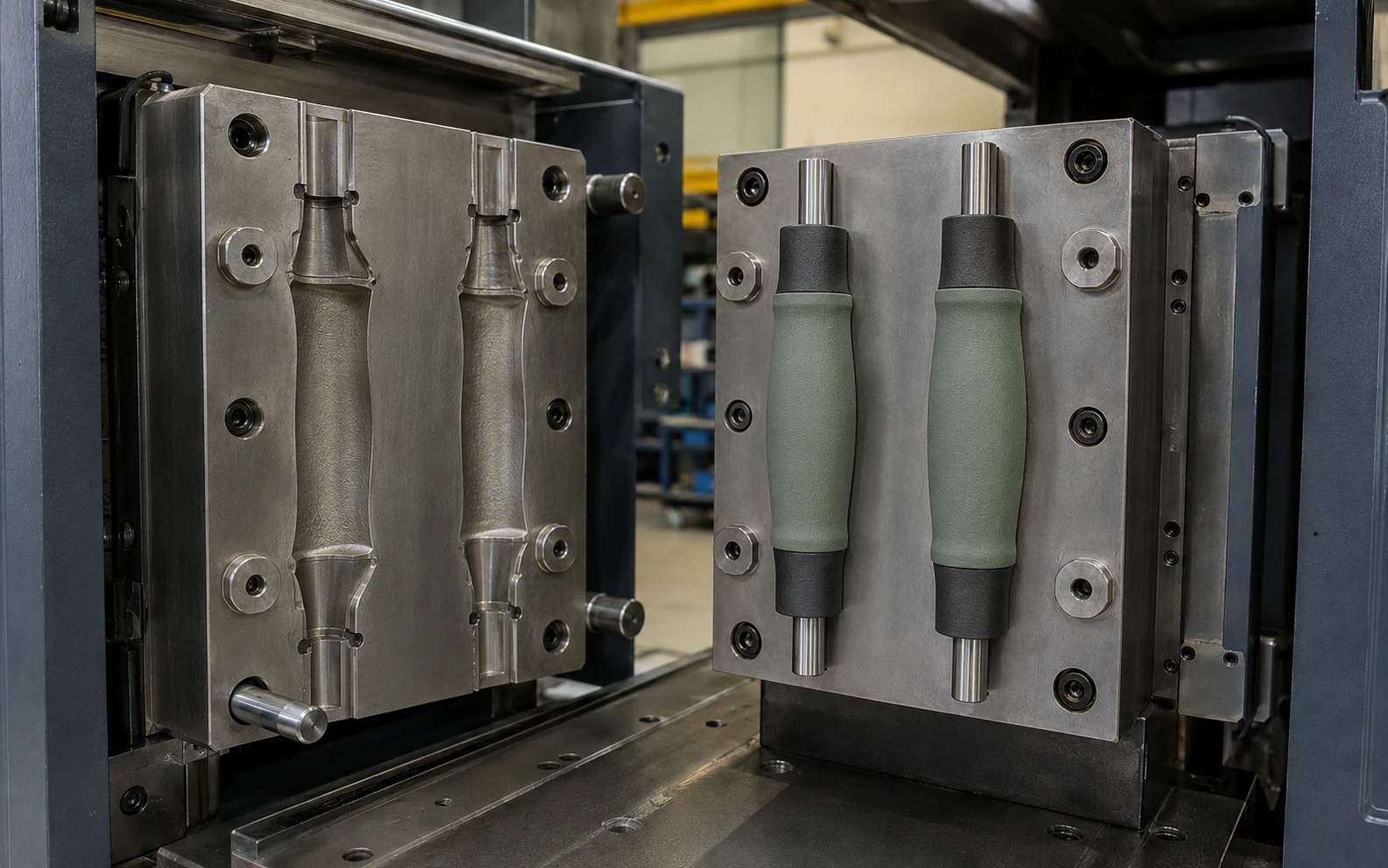
Silicone Overmolding & Multi-Material Bonding manufacturing process
Process Fit

Is Silicone Overmolding Right for Your Product?

Choose silicone overmolding when your product needs a rigid structure combined with a soft grip, protective surface, sealing feature or integrated hard–soft appearance. Process feasibility depends on the exact substrate grade, silicone material, insert geometry, bond area, molding temperature and expected use conditions—not simply on the product shape. If the material pair cannot form a reliable bond or the interface will experience high peeling stress, a mechanical interlock, separately molded sleeve or assembled construction may offer a lower-risk alternative.

Compare All Silicone Manufacturing Processes
Advantages Trade-offs
Advantage

Integrated Hard–Soft Construction. Overmolding combines a rigid insert and a flexible silicone surface in one molded component, supporting grips, handles, seals and protective contact areas without a separate loose sleeve.

Trade-off

Bonding Is Material-Pair Specific. Silicone does not automatically bond to every plastic or metal. The exact substrate grade, surface condition and silicone formulation must be reviewed and validated together.

Advantage

Improved Grip, Comfort & Surface Protection. A silicone overmold can add a soft, non-rigid contact surface around a structural core while preserving the strength and shape provided by the underlying insert.

Trade-off

The Insert Must Withstand Molding Conditions. Plastic or metal inserts must remain dimensionally stable during molding. Heat, pressure, clamping and silicone curing conditions can deform or damage unsuitable substrates.

Advantage

Reduced Secondary Assembly. When the material combination and interface are properly designed, overmolding can reduce separate sleeves, adhesive application and post-molding assembly steps.

Trade-off

More Complex Tooling & Insert Control. The mold must position the insert accurately, control silicone flow and flash, and protect exposed substrate areas. Insert movement or poor shutoff design can cause inconsistent coverage.

Typical Applications

Products Best Suited to Silicone Overmolding

These examples connect product structure and requirements to this manufacturing route.

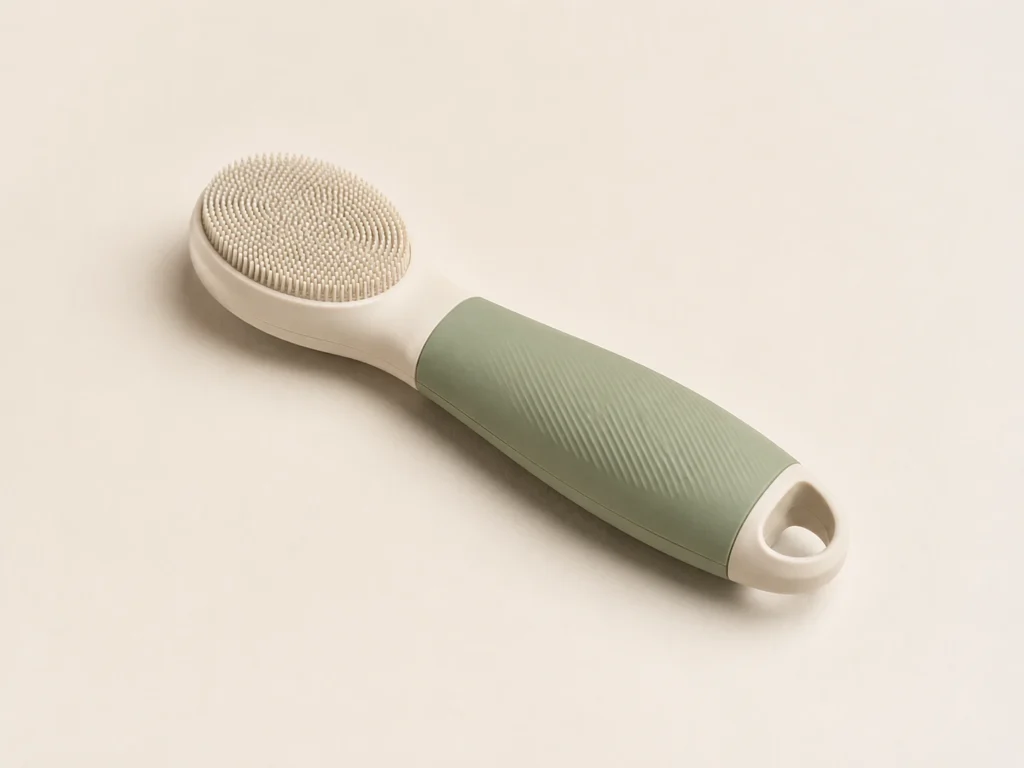
Overmolded Silicone Beauty Brushes

Overmolded Silicone Beauty Brushes

Why it fits this process: A rigid inner structure can provide shape and handling stability, while the silicone overmold adds a soft grip and integrated surface details. The substrate, silicone and retention design should be reviewed for repeated handling, wet cleaning and possible peeling around edges or transitions.
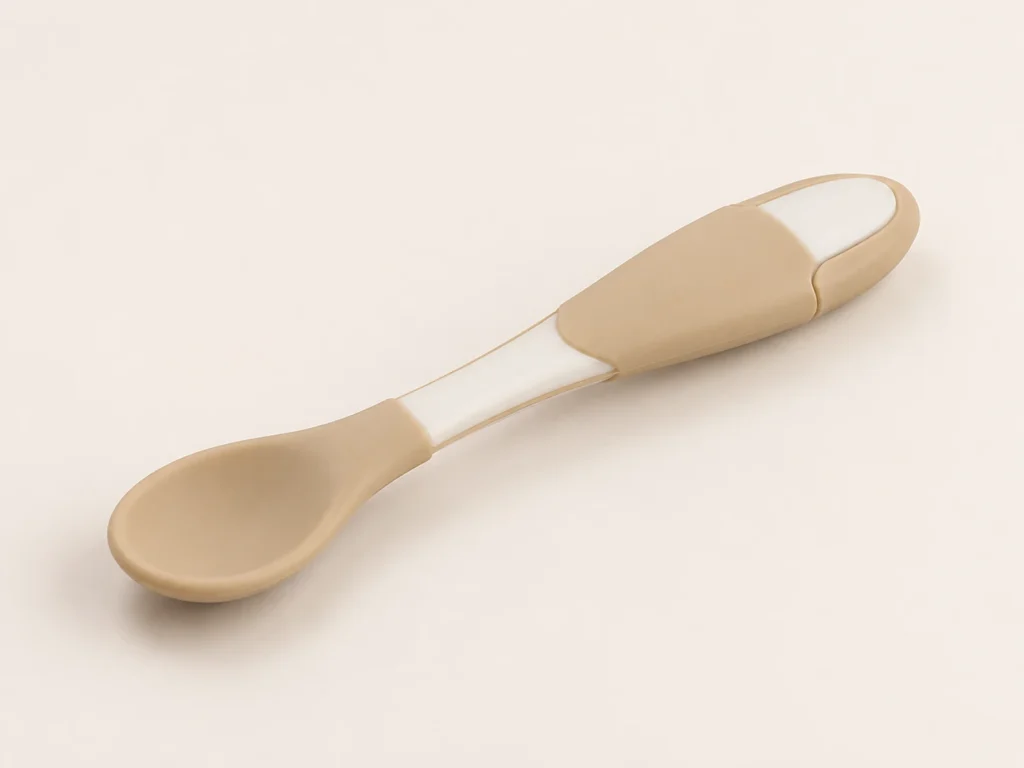
Silicone-Overmolded Spoons

Silicone-Overmolded Spoons

Why it fits this process: Fuses a firm, easy-to-grip plastic handle with a soft silicone tip designed to protect delicate baby gums. Zero glues are used, meaning the spoon can endure daily aggressive dishwasher and steam sterilization cycles safely.

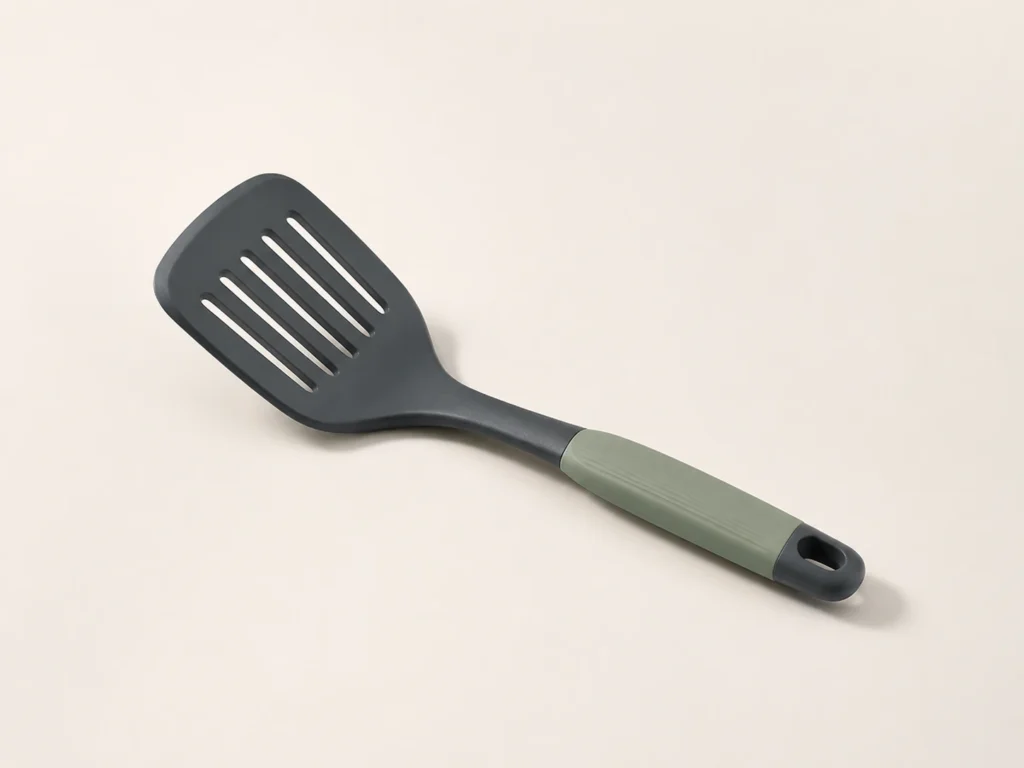
High-Heat Silicone Spatulas

High-Heat Silicone Spatulas

Why it fits this process: Combines a high-strength Nylon (PA) or stainless-steel core with a food-grade solid silicone exterior. The result is an indestructible kitchen tool that offers a rigid scraping edge but withstands 250°C boiling oil without melting or detaching.

Supplier Verification

Silicone Overmolding Capabilities

Review the confirmed manufacturing resources and project parameters available for this process.

Bonding Technologies
Chemical Bonding (Primer) & Mechanical Interlocking
Compatible Substrates
High-Temp Plastics (PC, PA, PPSU), Metals, Glass, PCB
Molding Methods
Liquid Silicone (LSR) Overmolding & Solid HTV Overmolding
Waterproof Rating
Capable of achieving IP67 / IP68 seamless watertight seals
Manufacturing Workflow

How Silicone Overmolding Works

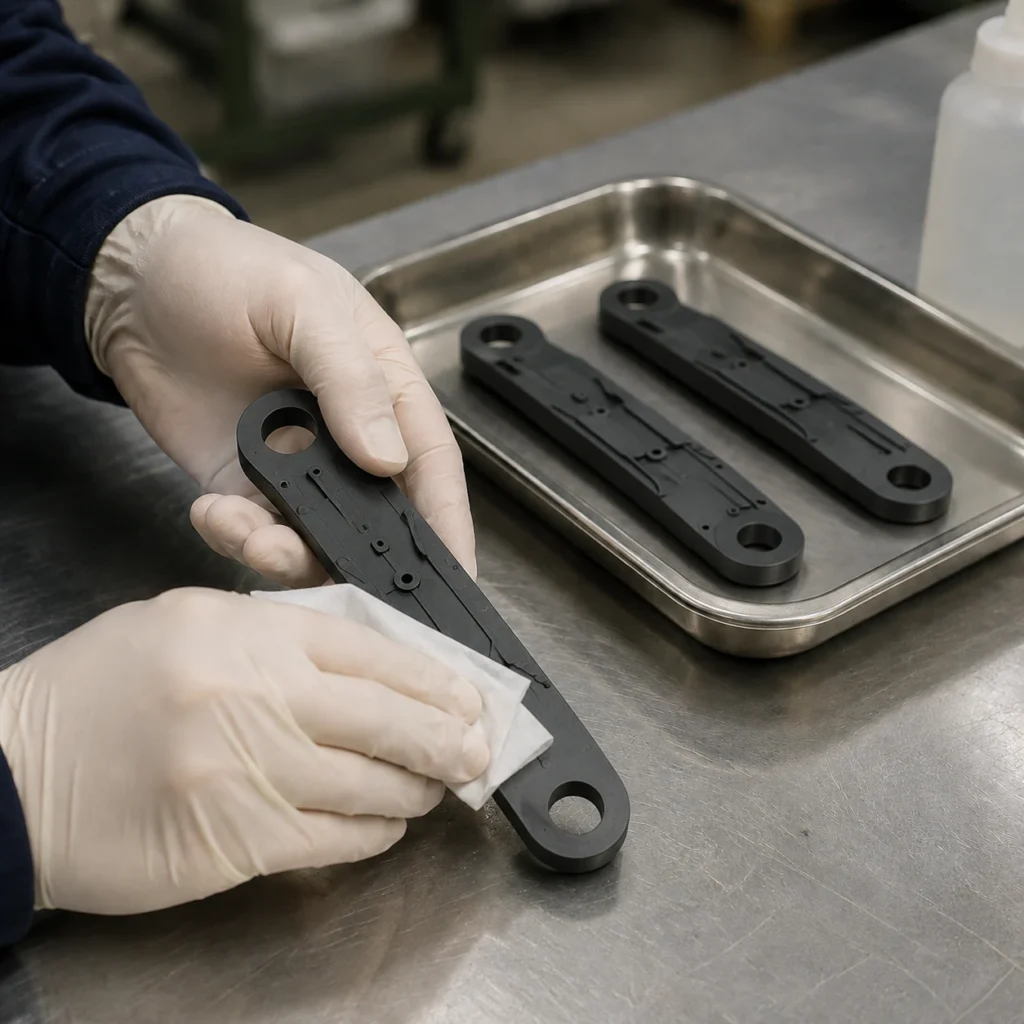
Substrate Cleaning & Surface Preparation

Substrate Cleaning & Surface Preparation

Plastic, metal or other inserts are identified by material grade, then cleaned to remove dust, oil, release agents and other contaminants. Depending on the validated material combination, the substrate may also require drying, controlled roughening, plasma treatment or primer application.

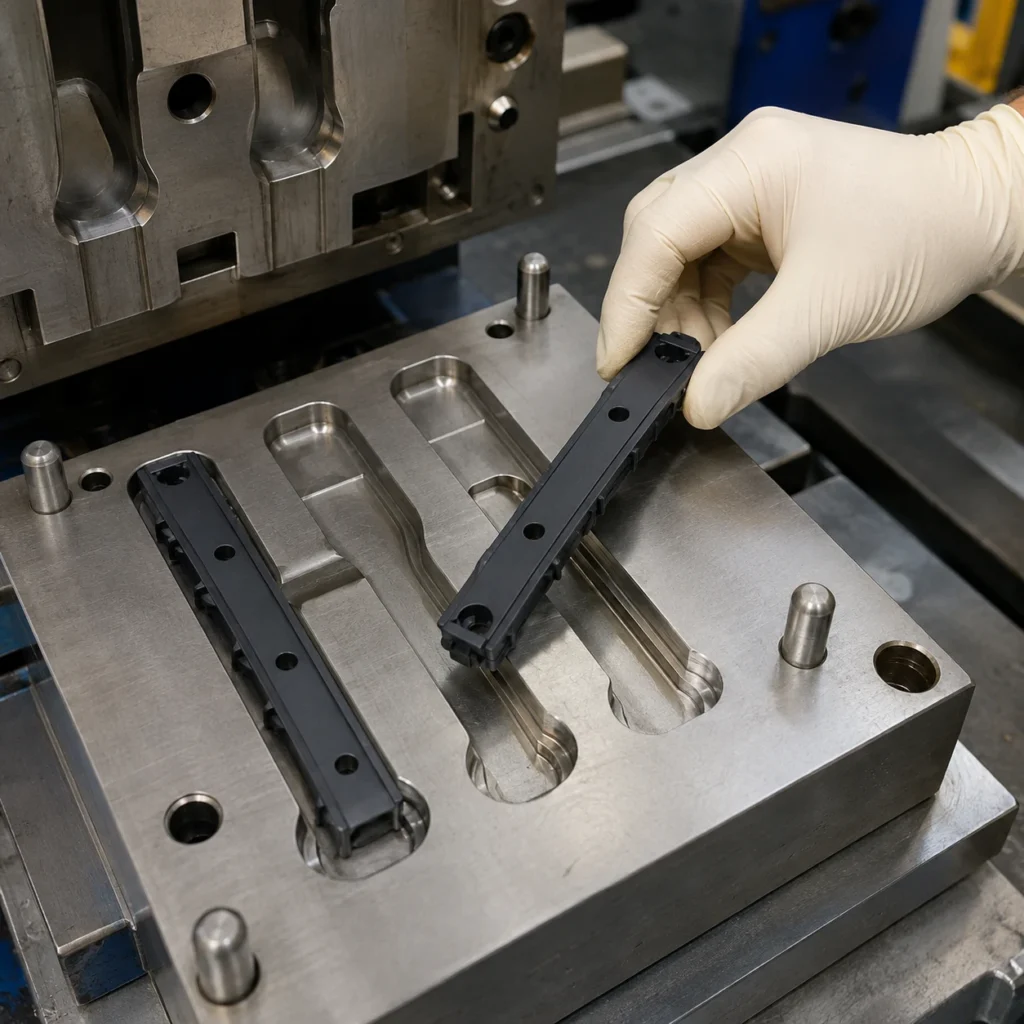
Insert Positioning & Mold Fixing

Insert Positioning & Mold Fixing

The prepared insert is placed into the mold using defined locating surfaces or fixtures. Its orientation, exposed areas and retention features are checked so the insert remains stable while silicone flows around the specified overmolding zone.

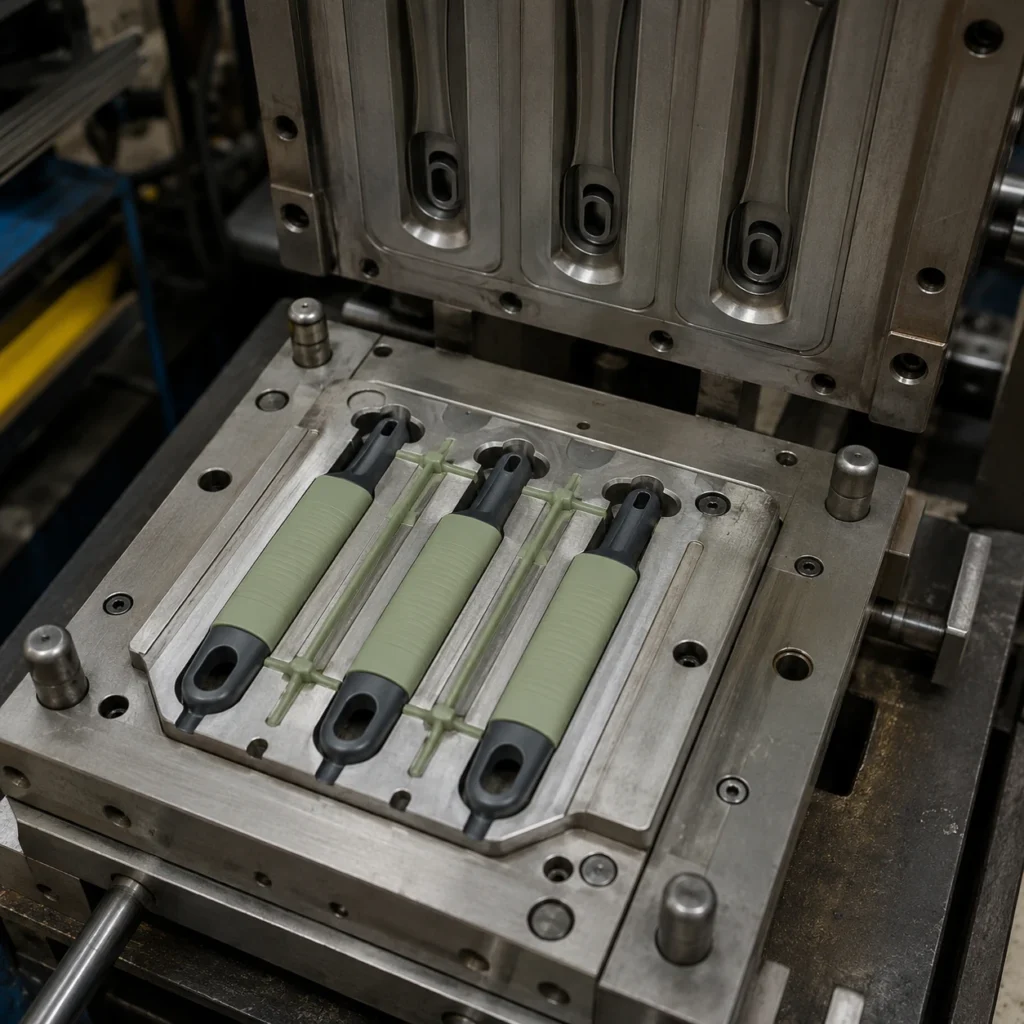
Silicone Injection or Compression Overmolding

Silicone Injection or Compression Overmolding

The mold closes and silicone is injected or compression-molded around the defined areas of the insert. Material, temperature, pressure and curing conditions are selected to fill the overmold geometry while limiting substrate deformation and interface defects.

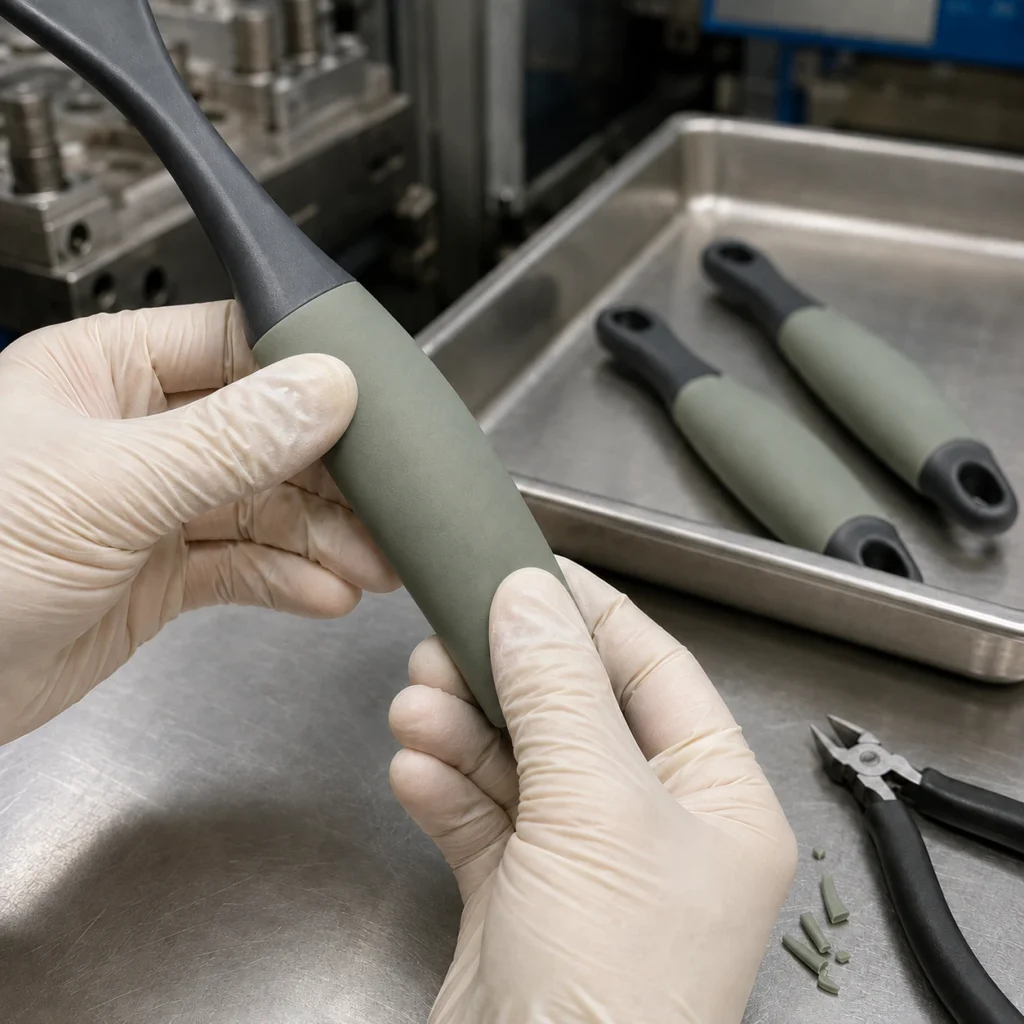
Demolding, Interface Inspection & Peel-Risk Review

Demolding, Interface Inspection & Peel-Risk Review

After curing, the part is demolded and checked for insert movement, incomplete coverage, flash, gaps, edge lifting, substrate deformation and visible interface separation. Functional or adhesion checks are added when defined by the approved project requirements.

Buyer Questions

Frequently Asked Questions

Start Your Silicone Project

Not Sure Whether Silicone Overmolding Fits Your Product?

Share your drawing, reference image or sample, application requirements, material or performance priorities, expected quantity range, and other relevant project requirements. We will review the information and discuss the next suitable step.

Explore Yushineon's OEM/ODM project process