
Silicone Manufacturing Process

Automated Silicone Micro-Dispensing

The ultimate manufacturing solution for intricate, multi-color 2.5D detailing.

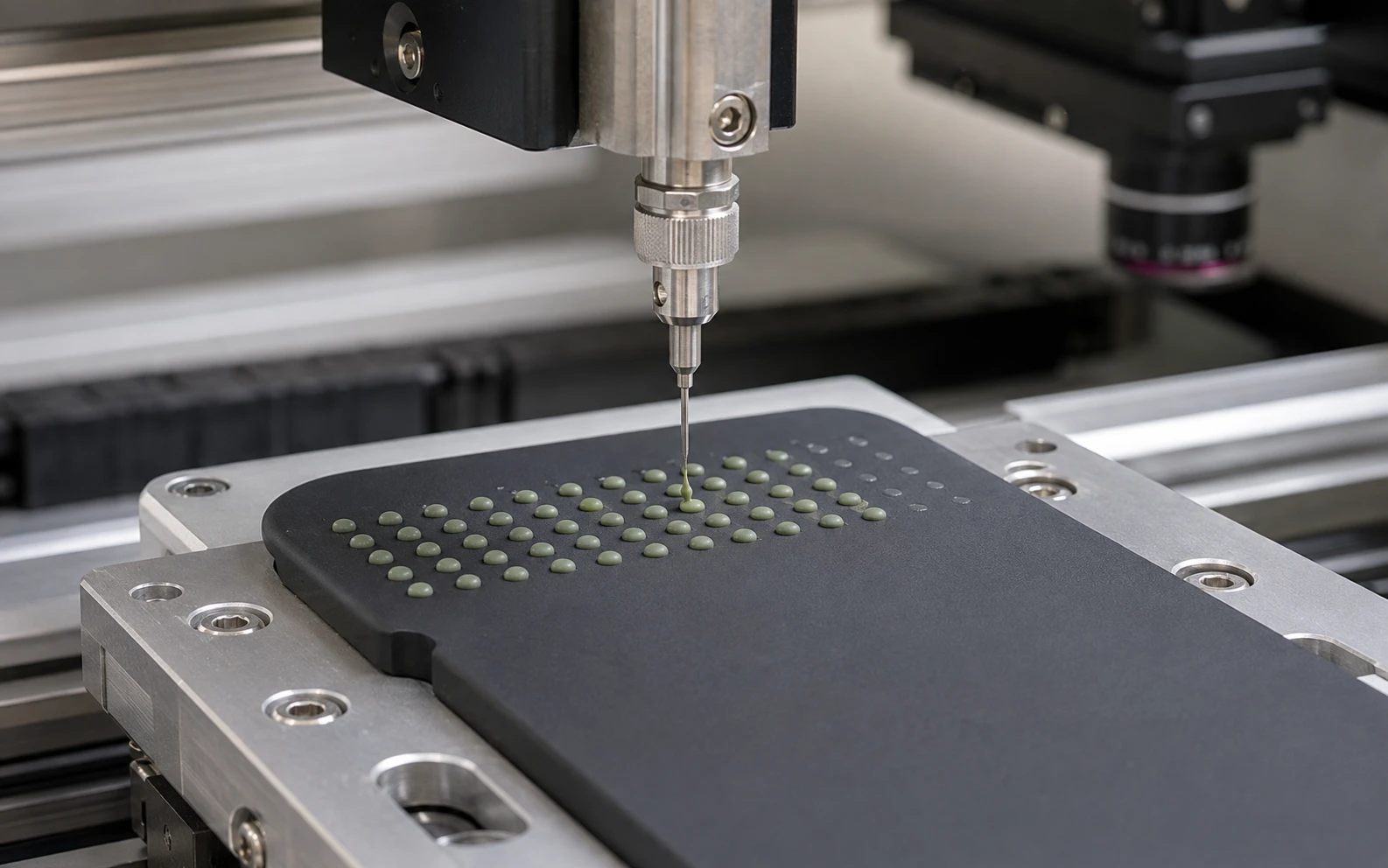
Automated Silicone Micro-Dispensing manufacturing process
Process Fit

Is Micro-Dispensing Right for Your Product?

Choose silicone micro-dispensing when your design requires small, localized color features, raised graphics or controlled silicone deposits on an existing molded base. Process fit depends on substrate compatibility, fixture repeatability, surface height, material viscosity, deposit width and height, color sequence, curing and adhesion requirements. If large color zones form part of the product body, multi-color silicone molding is usually more suitable. If only a flat, ink-like graphic is needed, printing may be a simpler option.

Compare All Silicone Manufacturing Processes
Advantages Trade-offs
Advantage

Localized Multi-Color Detail. Programmed dispensing can place different silicone colors only in the required areas, making it suitable for logos, patterns, recessed fills and raised decorative features.

Trade-off

Less Efficient for Large Coverage Areas. Filling a large portion of the product through repeated dispensing paths can increase cycle time and material-control difficulty compared with molded color zones.

Advantage

Programmable Design Flexibility. Dispensing paths can be programmed for dots, lines, curves and filled areas, allowing graphic variations without developing a complete multi-color molding tool for every design.

Trade-off

Accurate Fixturing Is Essential. Variations in part position, orientation, surface height or fixture stability can shift the deposited pattern or change its width and height.

Advantage

Controlled Material Placement. Automated motion and dispensing control support more consistent placement and deposit volume than manual silicone application..

Trade-off

Material & Surface Defects Require Control. Air bubbles, incomplete mixing, dripping, stringing, overflow, contamination or poor substrate adhesion can affect graphic integrity and appearance.

Advantage

Unlimited Color Combinations. Capable of dispensing up to 10+ distinct colors in a single flat component without cross-contamination or bleeding.

Trade-off

Slower Production Cycles. Automated dispensing is a meticulous, step-by-step process. Each color must be deposited and partially cured before the next, lowering hourly output.

Typical Applications

Products Best Suited to Micro-Dispensing

These examples connect product structure and requirements to this manufacturing route.

Micro-Dispensed Silicone Tag Keychains

Micro-Dispensed Silicone Tag Keychains

Why it fits this process: Demands vibrant color separation and a premium tactile feel. The robotic XYZ system dispenses distinct raised zones (mountains, sun, rivers), creating a highly durable, embossed aesthetic that will never scratch off in a pocket.
Decorative Multi-Color Silicone Beads

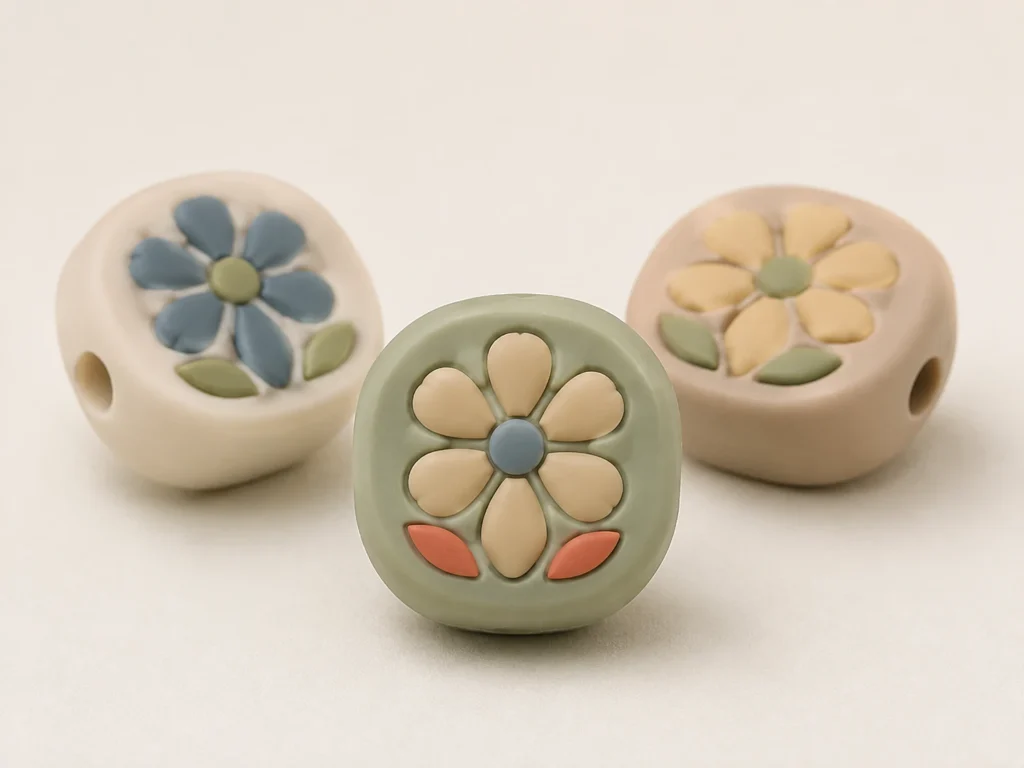
Decorative Multi-Color Silicone Beads

Why it fits this process: Crafting tiny, multi-colored floral patterns on a curved bead requires extreme CNC deposition precision. Drip molding perfectly isolates the pastel colors, ensuring food-grade safety without any toxic painted coatings.

Micro-Dispensed Multi-Color Silicone Teethers

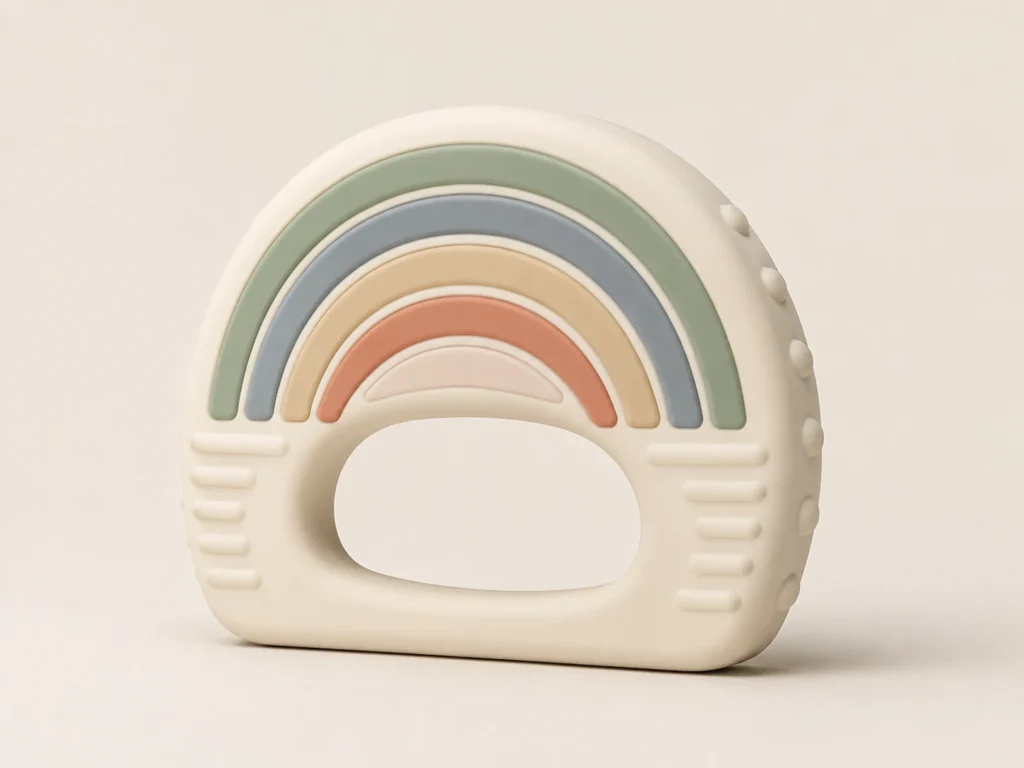
Micro-Dispensed Multi-Color Silicone Teethers

Why it fits this process: Colored silicone can be deposited into defined channels or recessed patterns on a molded teether base, creating localized rainbow or graphic details without molding the entire product in multiple color stages. Material compatibility, adhesion and applicable baby-care requirements should be reviewed before production.

Supplier Verification

Micro-Dispensing Capabilities

Review the confirmed manufacturing resources and project parameters available for this process.

Dispensing Precision
Automated XYZ Robotic Needles (±0.01mm)
Color Capacity
Capable of 15+ independent colors per mold cavity
Line Thickness Limit
Minimum 0.3mm to 0.5mm (Design Dependent)
Material Composition
Liquid Silicone (Details) fused with Solid HTV (Base)
Quality Standard
100% Visual Check for Micro-Bleeding & Adhesion
Manufacturing Workflow

How Micro-Dispensing Works

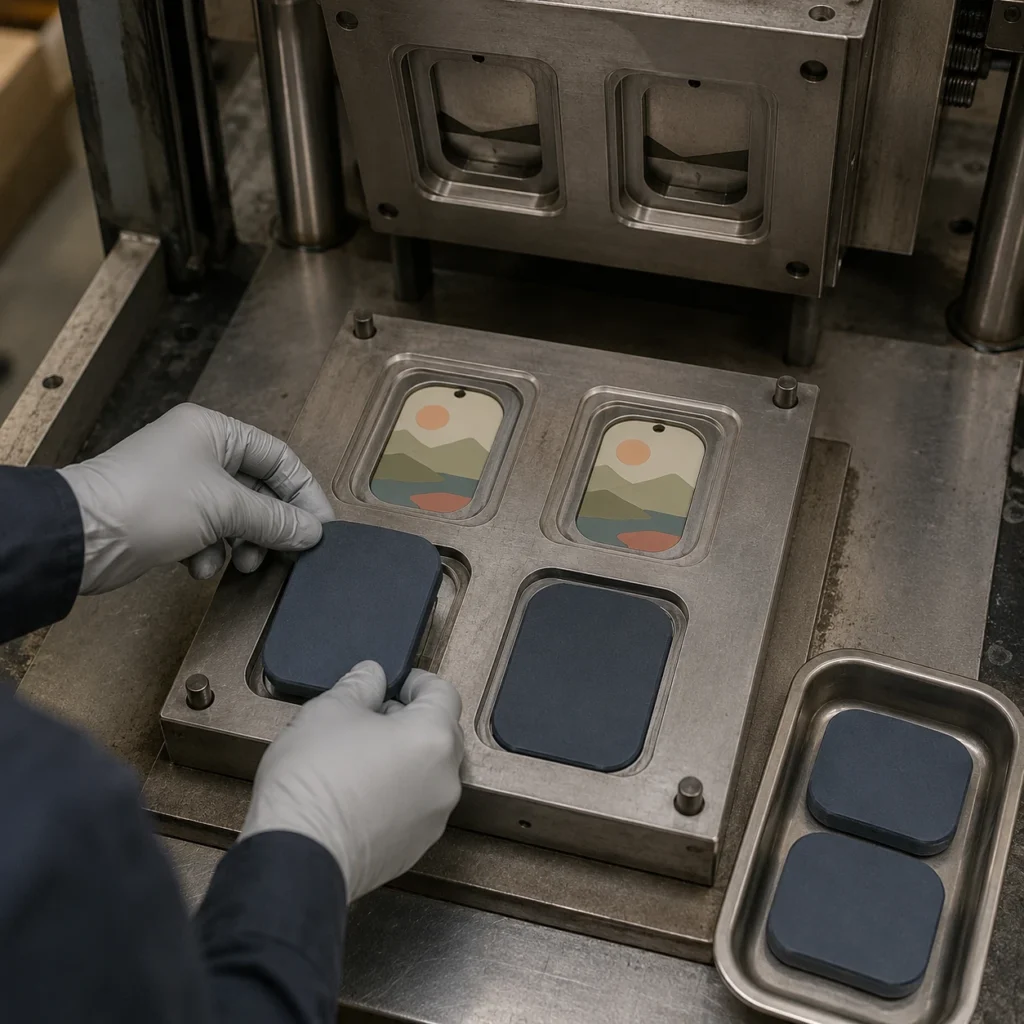
Substrate Cleaning, Positioning & Fixture Loading

Substrate Cleaning, Positioning & Fixture Loading

The molded silicone or compatible substrate is cleaned to remove dust, oil, release agents and other contaminants. Each part is then positioned in a dedicated fixture so its orientation, reference points and dispensing surface remain stable during the programmed cycle.

Silicone Color Preparation, Mixing & Degassing

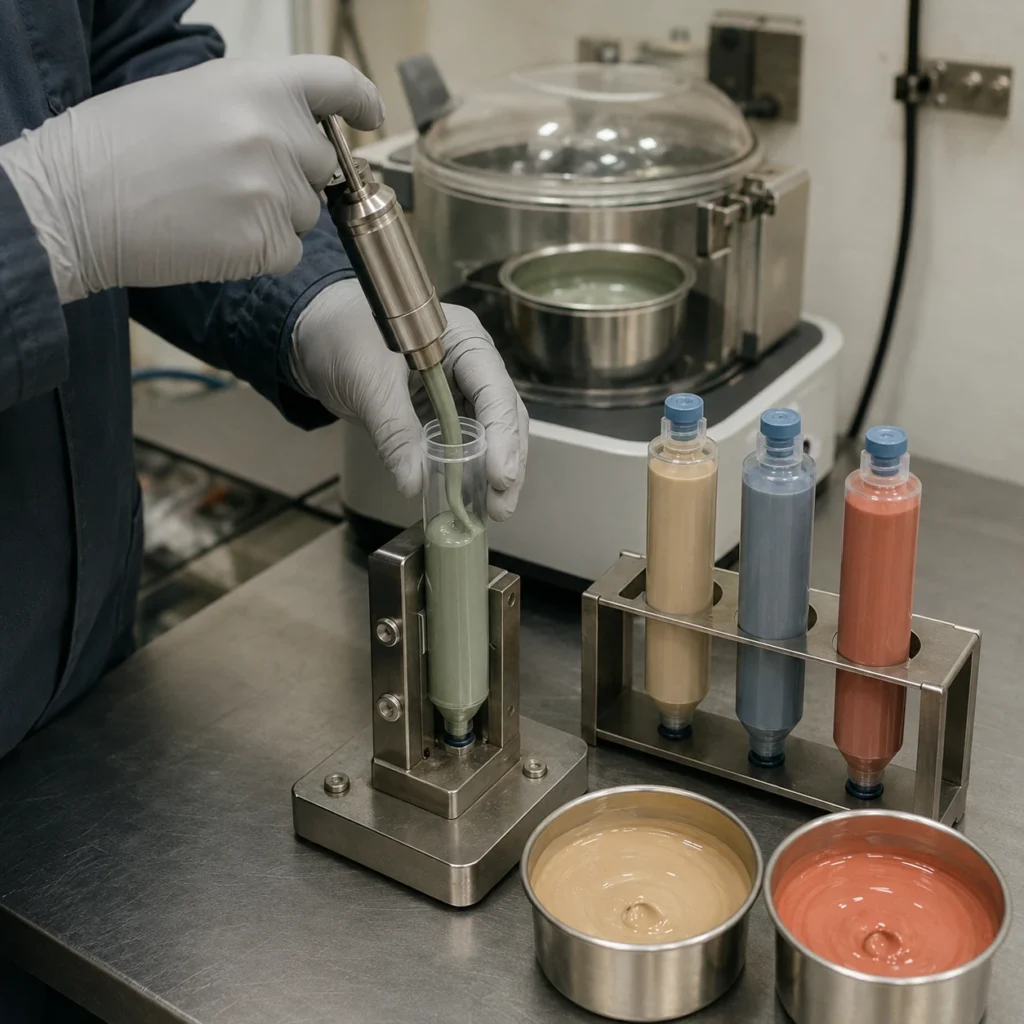
Silicone Color Preparation, Mixing & Degassing

Silicone materials are prepared separately for each approved color, then mixed according to the required formulation. Degassing is performed where needed to reduce trapped air that could create bubbles, voids or incomplete graphic areas during dispensing and curing.

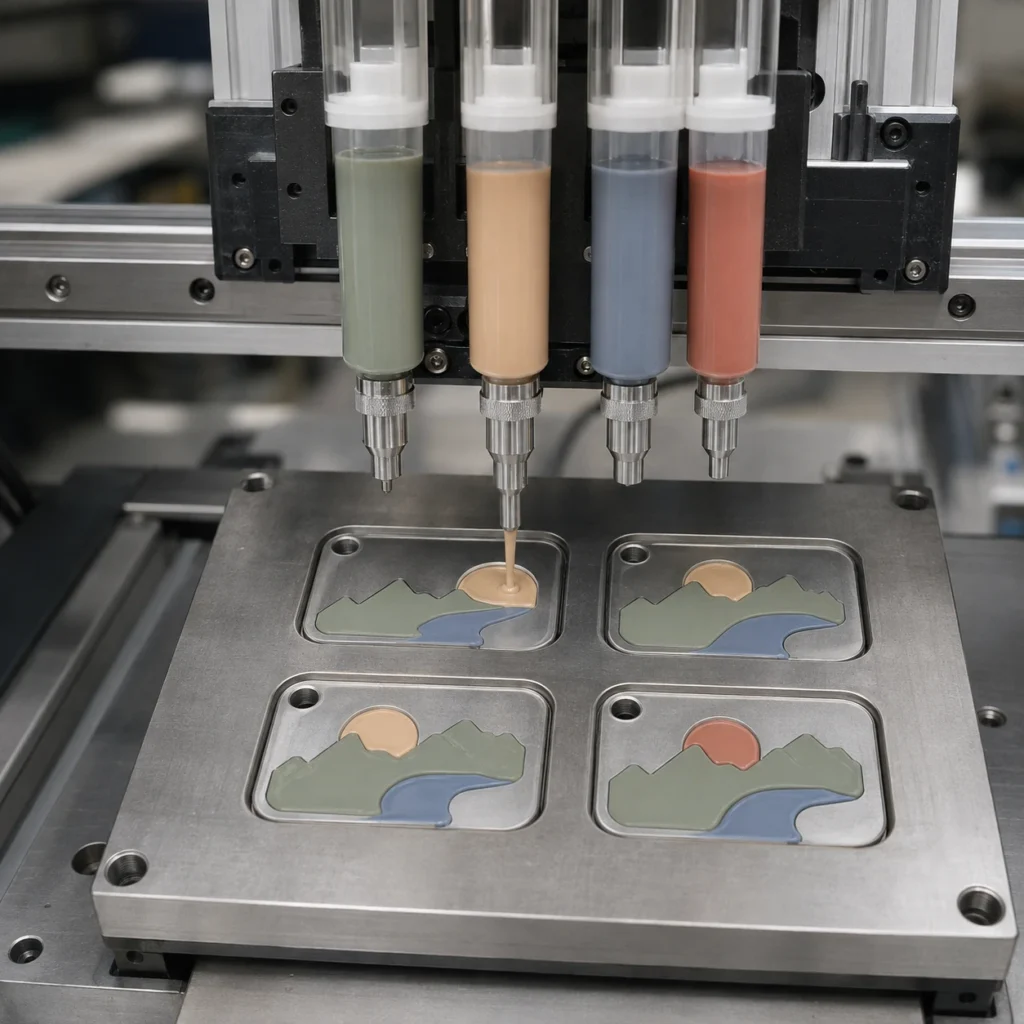
Precision Deposition by Automated XYZ System

Precision Deposition by Automated XYZ System

The programmed XYZ system moves the dispensing nozzle along the defined path and places silicone into the selected dots, lines, channels or filled regions. Nozzle height, material flow, movement speed and color sequence are controlled according to the approved pattern.

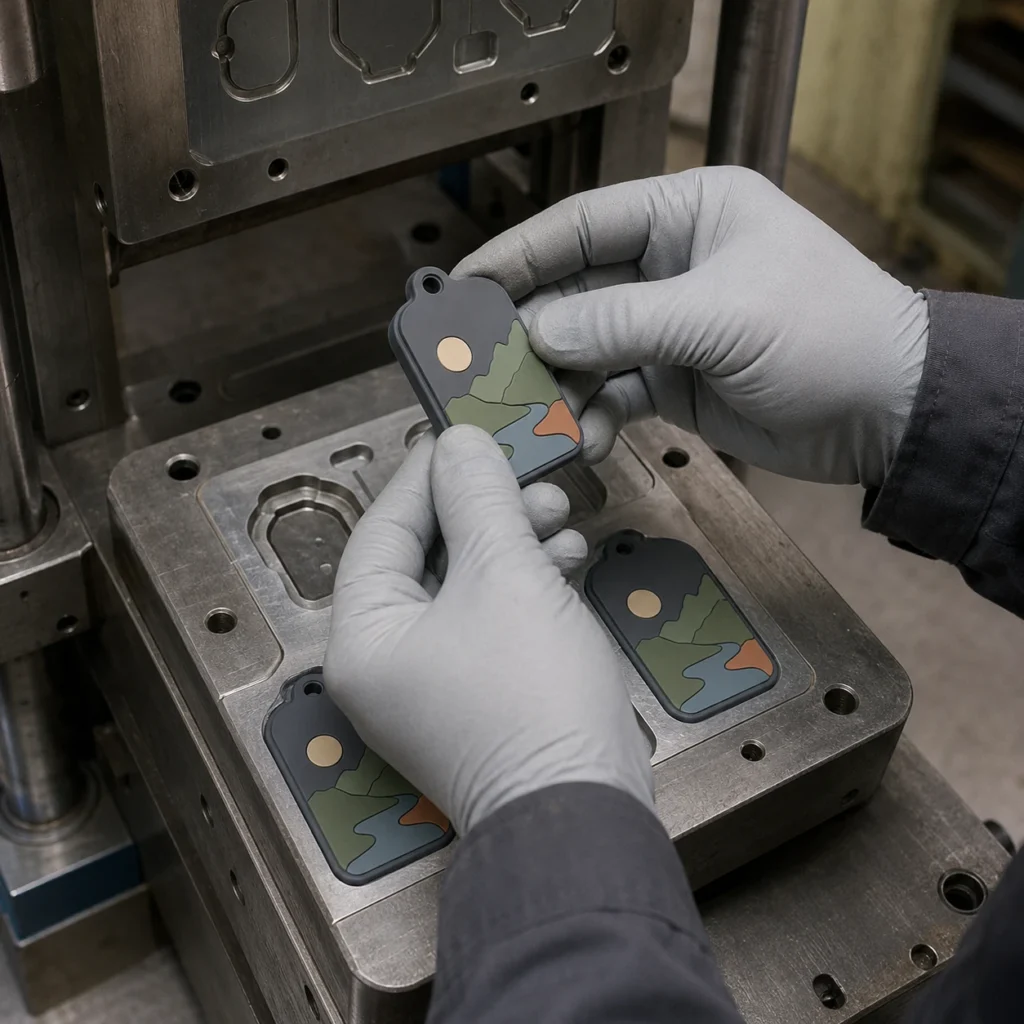
Curing, Graphic Integrity & Adhesion Inspection

Curing, Graphic Integrity & Adhesion Inspection

After dispensing, the silicone is cured under conditions selected for the material and substrate. Finished parts are checked for complete graphics, correct color placement, bubbles, gaps, overflow, stringing, contamination and visible lifting or separation from the base.

Buyer Questions

Frequently Asked Questions

Start Your Silicone Project

Not Sure Whether Micro-Dispensing Fits Your Product?

Share your drawing, reference image or sample, application requirements, material or performance priorities, expected quantity range, and other relevant project requirements. We will review the information and discuss the next suitable step.

Explore Yushineon's OEM/ODM project process